Failing Retaining Wall Replaced the Right Way
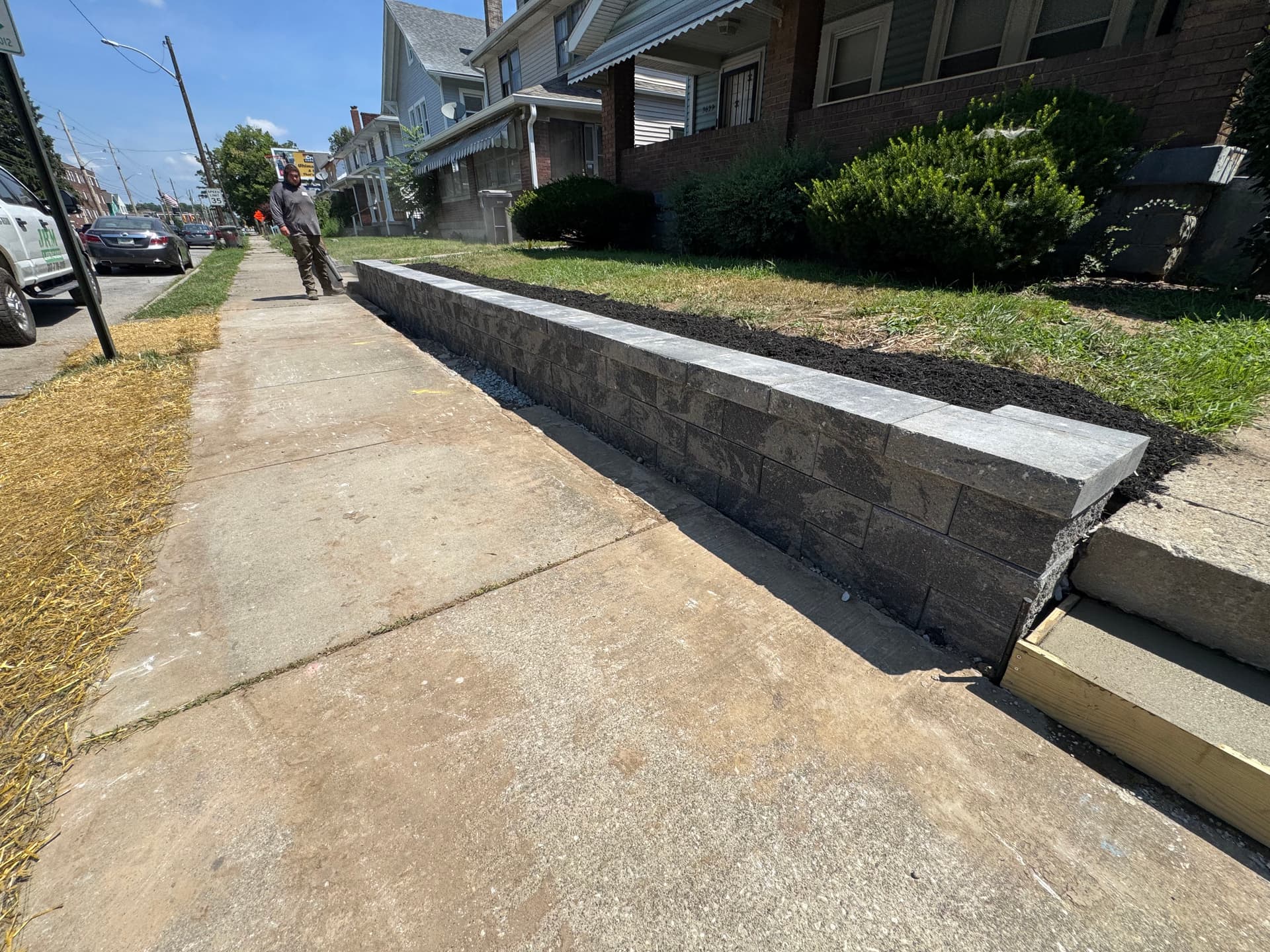
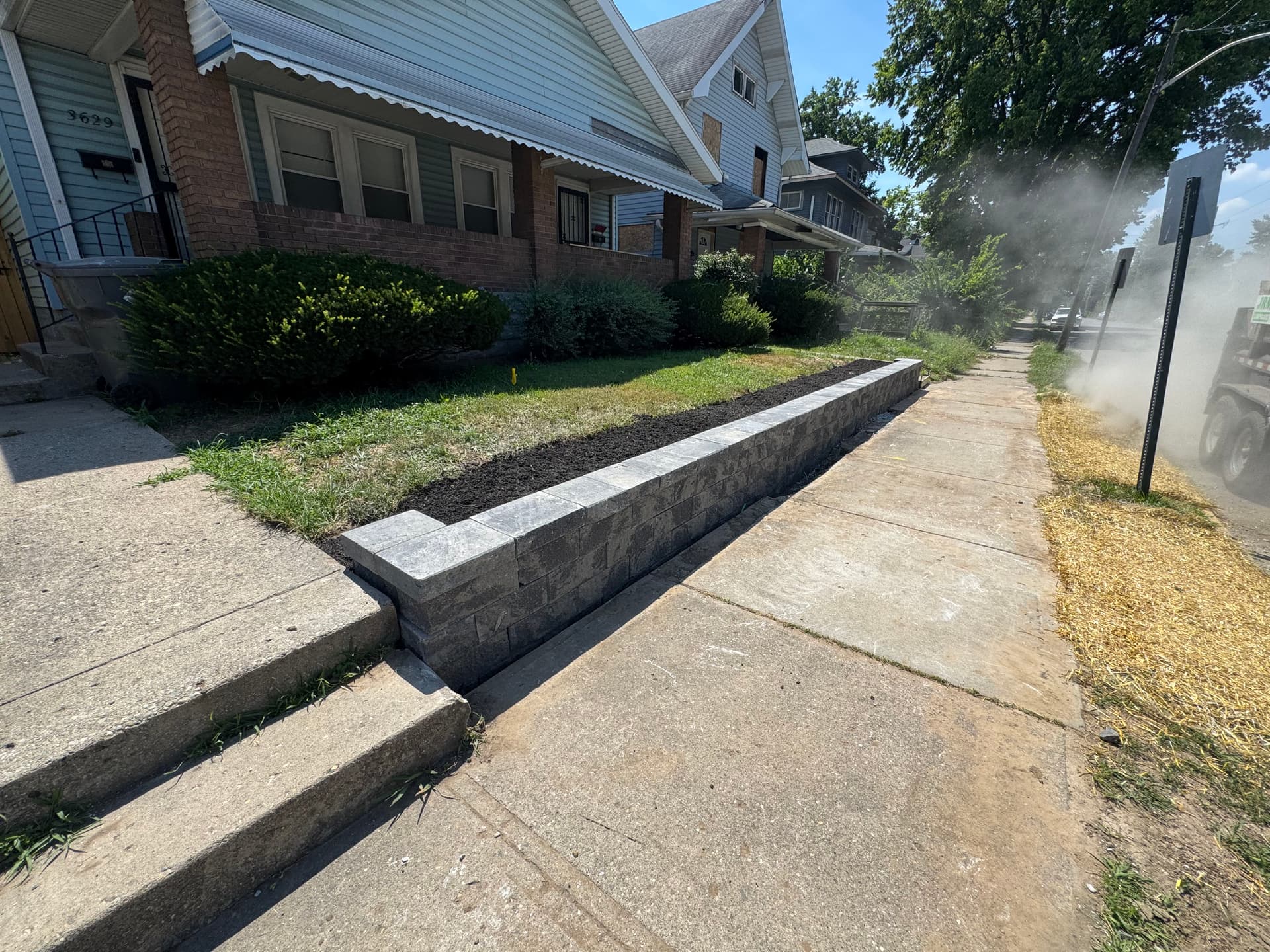
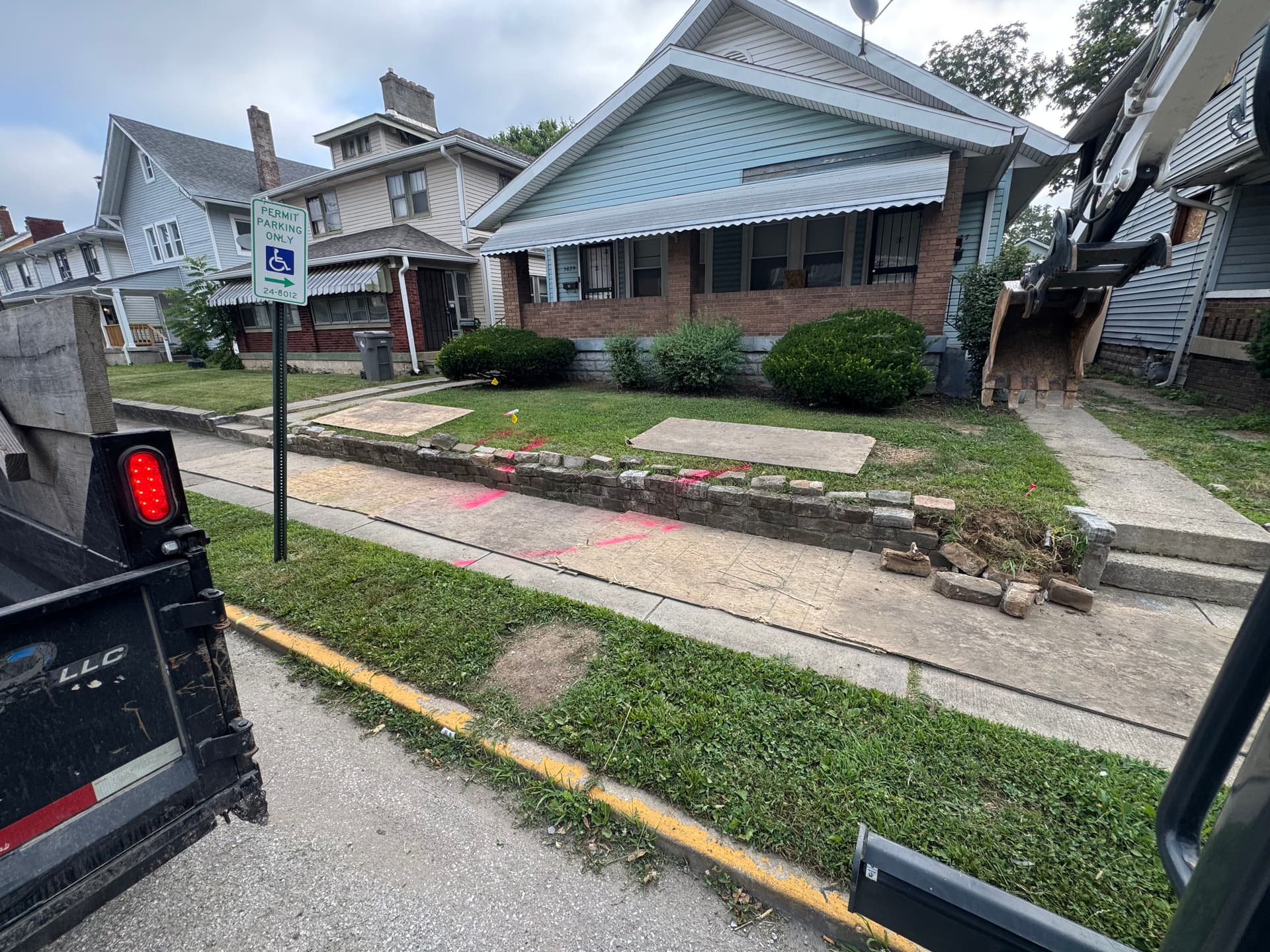
A leaning or crumbling retaining wall is one of those problems that only gets worse the longer you wait. Water gets behind it, soil starts shifting, and before long you've got a wall that's more of a liability than a feature. That's exactly what we were dealing with here - an old wall that had broken down and needed to come out completely.
Demo is always step one. We pulled the old block out, cleared the area, and got down to a solid base before anything new went in. That part matters more than most people realize. A wall is only as good as what's underneath it, and cutting corners on the foundation is how you end up with the same problem five years later.
Once the base was set and drainage was in place, we built the new wall up using quality block - coursed tight, capped cleanly, and backfilled properly. Getting the drainage right behind the wall is what keeps it from shifting or blowing out after heavy rain. It's not glamorous work, but it's what separates a wall that lasts from one that doesn't.
Fresh mulch was laid along the bed behind the finished wall to wrap up the look. The end result is a wall that actually does its job - holds the grade, handles water correctly, and looks sharp doing it. Clean lines, solid construction, no shortcuts.
If your wall is leaning, cracking, or washing out at the base, those are signs it's already failing. Catching it early makes the job simpler and less expensive. We handle retaining wall replacements like this one regularly and know what it takes to do it right the first time.